What are you looking for?


PVC anti-UV

| Elevata resistenza ai raggi UV |

| Isolamento termico |

| Trasparenza/chiarezza |

| Lunga durata |

| Resistenza agli urti e ai graffi |

| Ecologico e riciclabile |
Formati
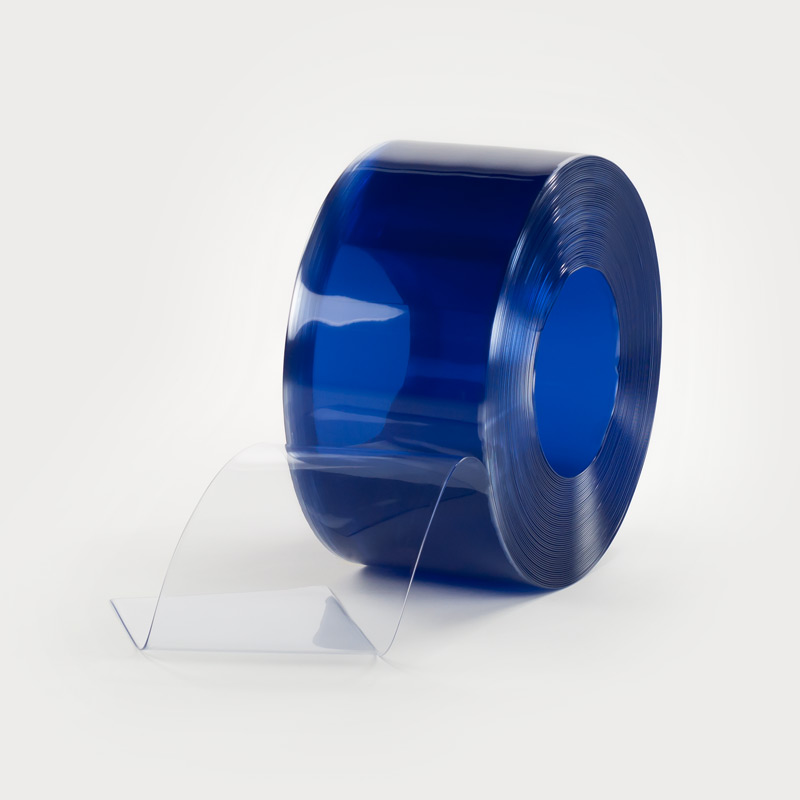
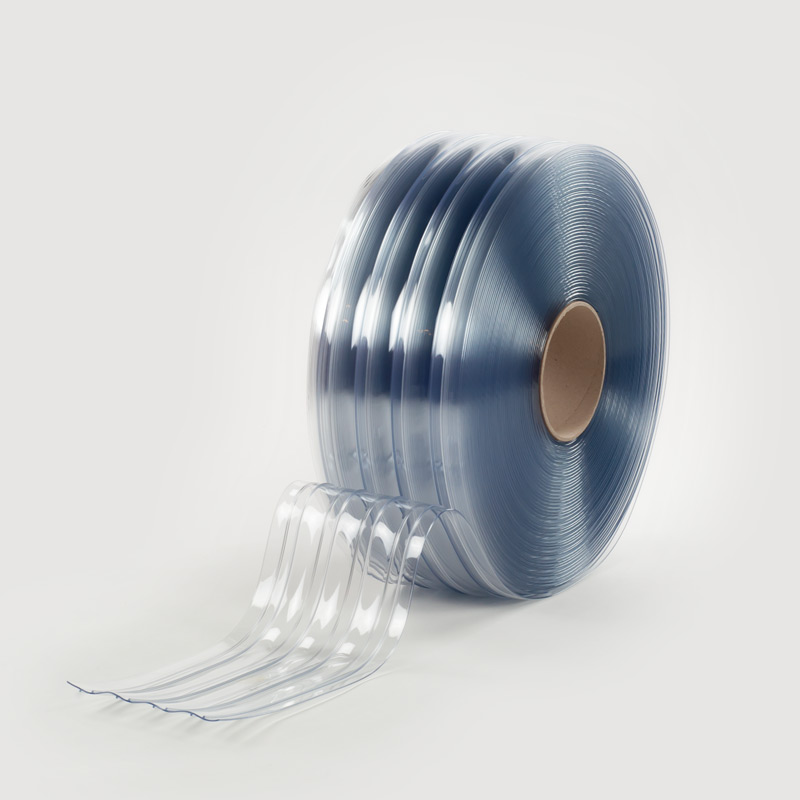
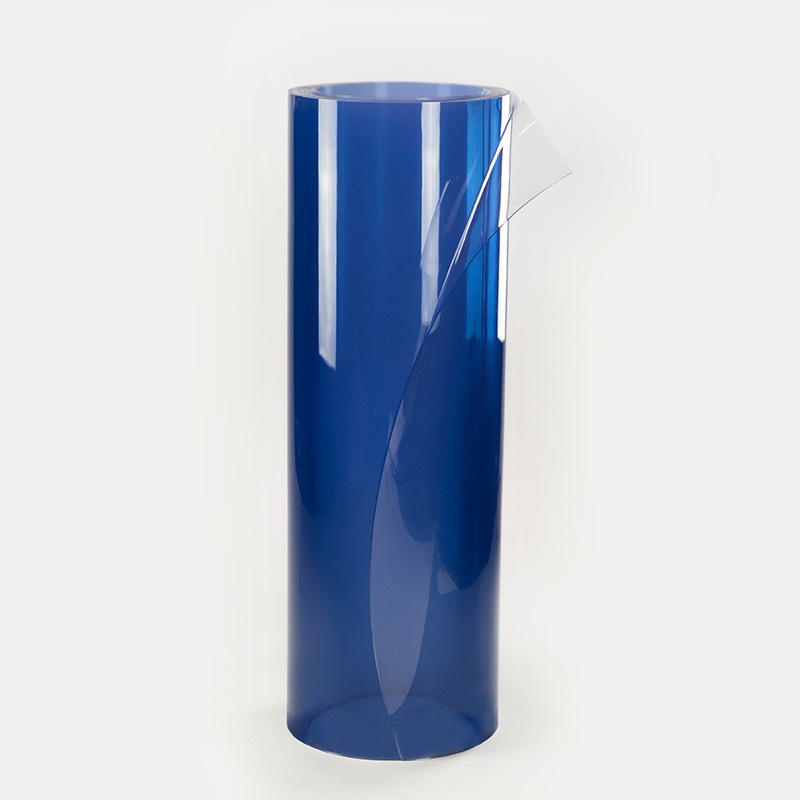
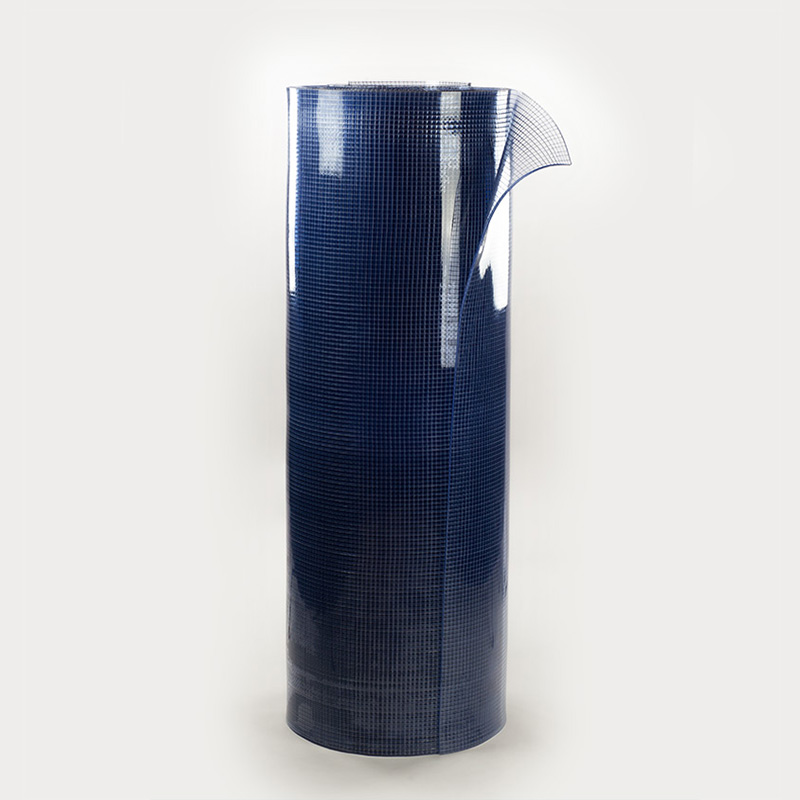
- Rotoli, strisce, tende, pannelli e pellicole
- Nervato, rinforzato, bordi arrotondati, superficie opaca.
| Min | Max | |
| Larghezza | 75 mm | 2.2 m |
| Spessore | 0.3 mm | 12 mm |
| Lunghezza | 20 m | 100 m |
Informazioni sul PVC resistente ai raggi UV
La linea PVC anti-UV è una gamma di PVC flessibile dotata di proprietà specifiche per una protezione avanzata contro la luce ultravioletta.
L'additivo specifico anti-UV, incluso nel PVC, garantisce un'ottimale resistenza agli agenti atmosferici aggressivi e assicura una lunga durata nel tempo.
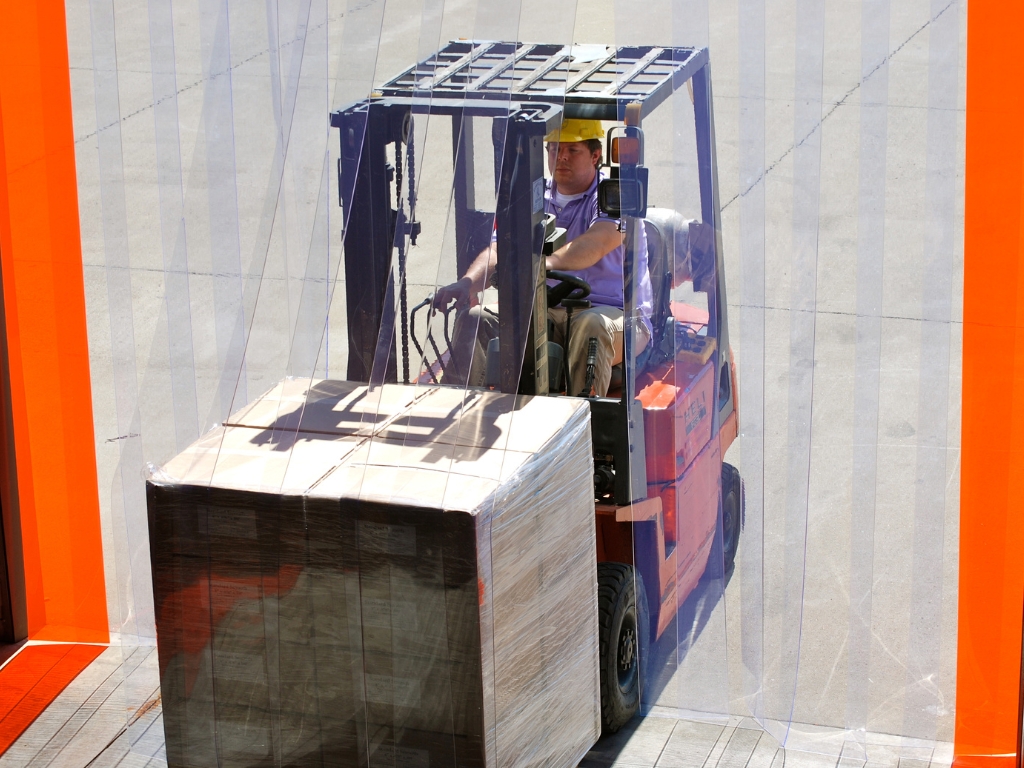
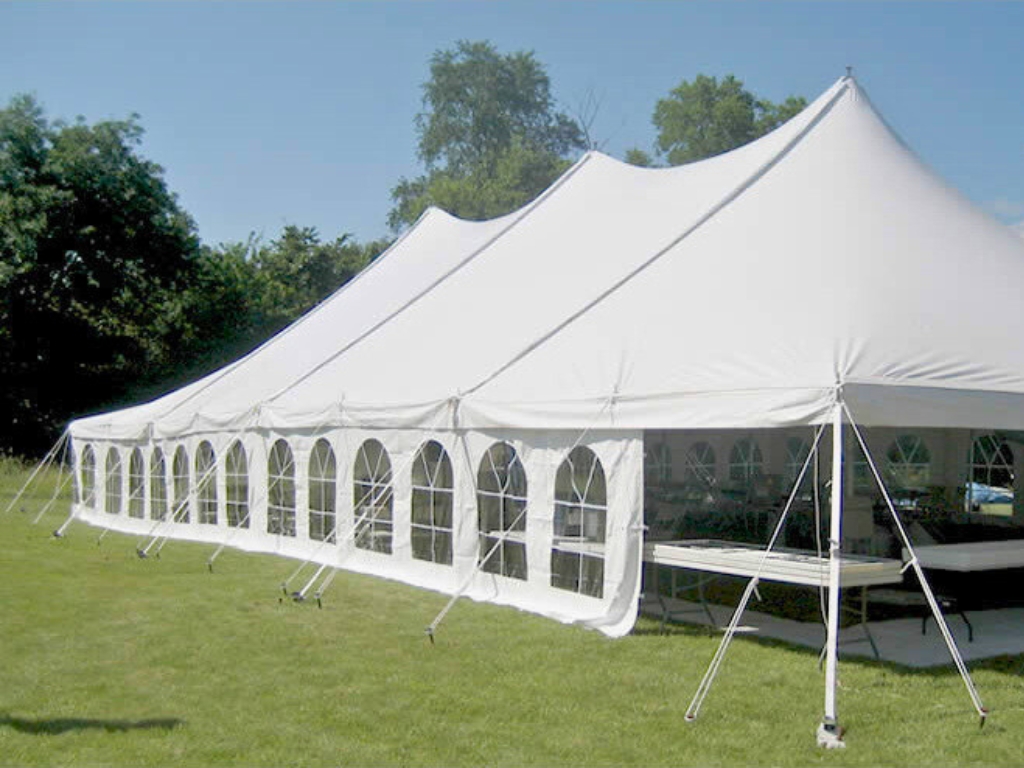
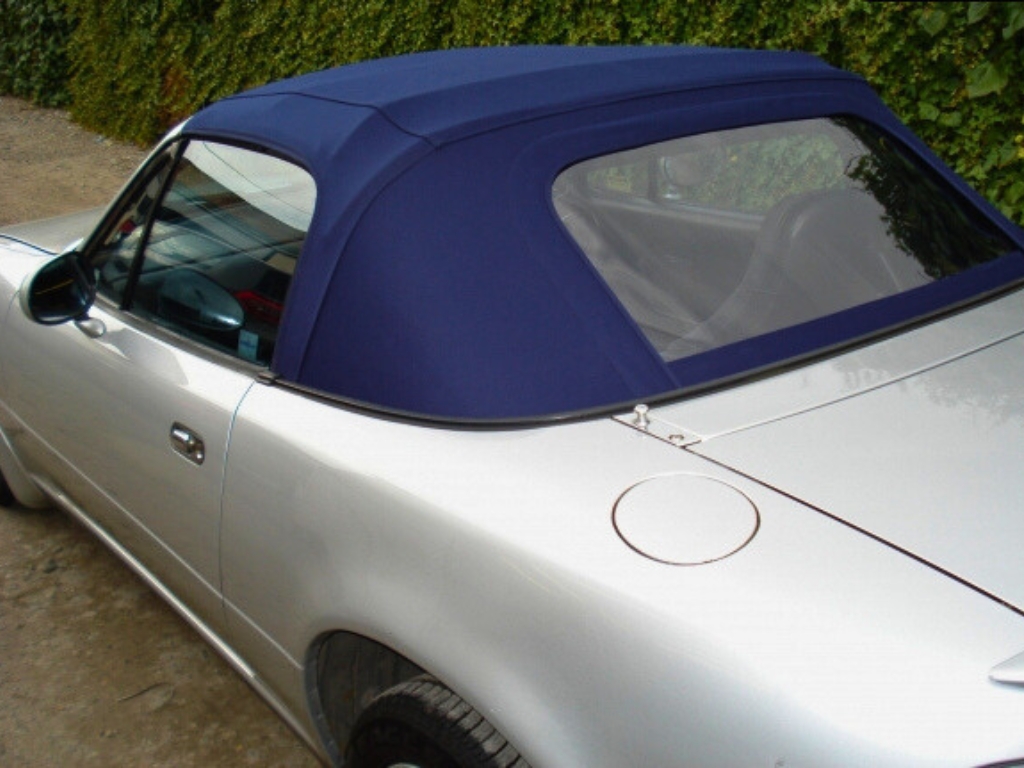
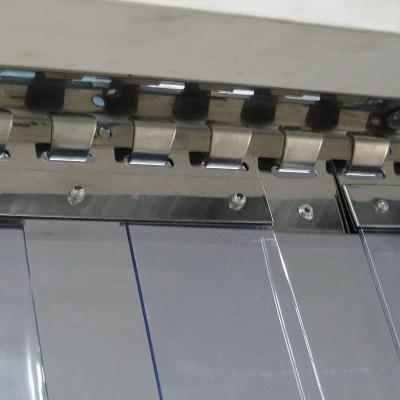
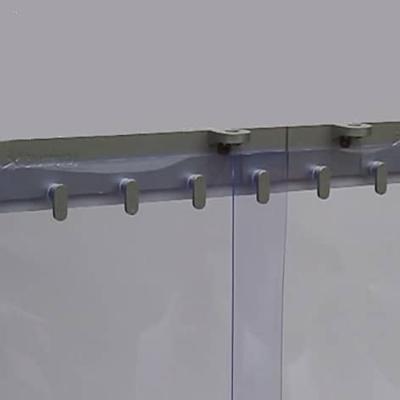
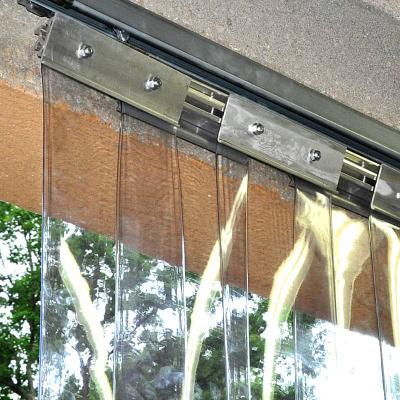
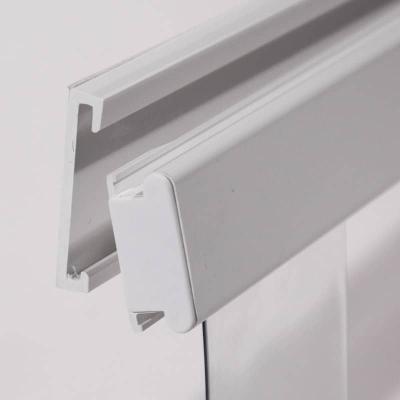
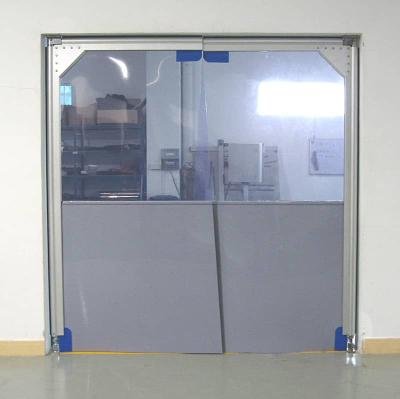
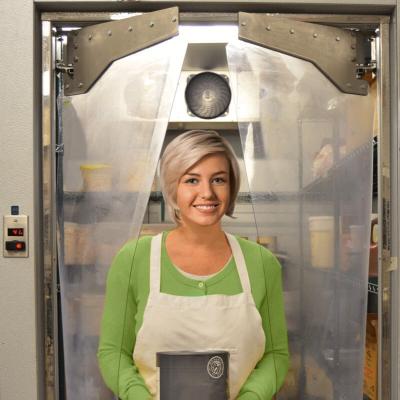
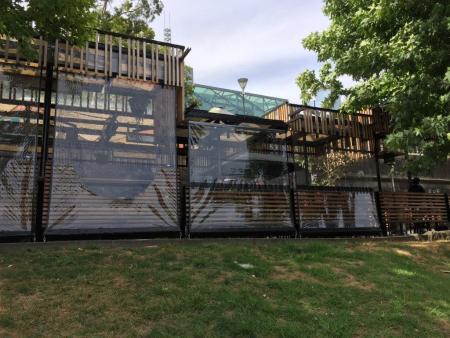
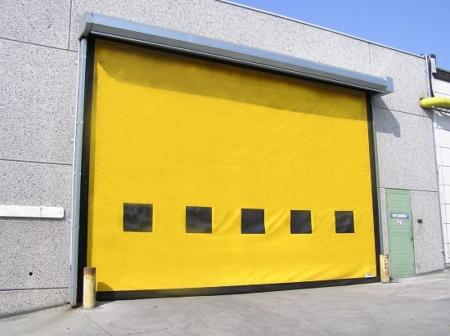
Il PVC morbido anti-UV può essere utilizzato per molte applicazioni, ma noi consigliamo l'uso specifico per la realizzazione di porte e finestre flessibili, come in porte rapide ad avvolgimento, tendoni, tensostrutture o coperture per imbarcazioni.
Applicazioni
Perché utilizzare il PVC anti-UV?
Il PVC anti-UV è stato trattato per resistere agli effetti dannosi dei raggi ultravioletti (UV) della luce solare.
Le radiazioni UV possono causare il degrado del PVC nel tempo, portando a scolorimento, fragilità e perdita di proprietà meccaniche. Incorporando stabilizzatori UV nella formulazione del PVC, siamo in grado di prolungare la durata di vita e mantenere l'aspetto dei prodotti in PVC esposti alla luce solare, rendendoli più durevoli e adatti all'uso esterno.
Il PVC flessibile anti-UV può essere utilizzato per molte applicazioni, ma è più comunemente utilizzato per porte e finestre come nel caso di porte rapide ad avvolgimento, tendoni per eventi, tende o coperture per imbarcazioni.
Applicazioni comuni
- Tende e tendoni
- Tetti e finestre
- Strutture mediche
- Cabine di verniciatura
- Settore nautico e yacht
- Centri abbronzatura
Come funzionano gli assorbitori UV?
Questi additivi funzionano assorbendo le radiazioni UV e convertendole in energia termica innocua.
Gli assorbitori UV sono tipicamente molecole organiche che vengono incorporate nella formulazione del PVC. Quando la radiazione UV colpisce il materiale in PVC, gli assorbitori intercettano la radiazione e la neutralizzano, impedendo che raggiunga le catene polimeriche e ne causi il degrado.
Scheda tecnica
| Proprietà | Standard | Unità | Standard | Descrizione |
| trasmissione della luce | ASTM D 1003 | % | 85 | Tasso di luce visibile trasmessa attraverso il materiale. |
| Durezza Shore A | EN ISO 868 | Sh A | 80 | Indice basato sulla profondità di penetrazione di un penetratore piatto. Scala da 0 (morbido) a 100 (duro). |
| Resistenza allo strappo | DIN 53515 | N/mm | 50 | Tensione di trazione minima necessaria per lacerare un campione pre-inciso. |
| Resistenza alla trazione a rottura | ASTM D 638 EN ISO 527 | N/mm² | 16 | Massima sollecitazione di trazione a cui un materiale può essere sottoposto prima della rottura. |
| Allungamento a rottura | % | 340 | Allungamento del campione nel punto di rottura sotto sforzo di trazione. | |
| Allungamento residuo (dopo la rottura) | % | 68 | Allungamento permanente del campione misurato dopo la rottura in una prova di trazione. | |
| conducibilità termica | ASTM C 177 | W/mK | 0,16 | Capacità di condurre il calore. Più è bassa, maggiore è l'isolamento. |
| Temperatura di piegatura a freddo fragile. | ISO 8570 | °C | -35 | Temperatura alla quale il campione si rompe sotto sforzo torsionale. Punto di fragilità (CLASH & BERG). |
| temperatura minima di utilizzo | EN 1876 | °C | -15 | Intervallo di temperatura in cui il materiale mantiene le sue proprietà meccaniche (flessibilità). |
| Temperatura massima di utilizzo. | °C | +50 | ||
| capacità termica specifica | ISO 11357 | kJ/kg.K | 1,6 | Energia termica necessaria per aumentare di un grado Celsius la temperatura di un chilogrammo del materiale. |
| Riduzione del suono | DIN 52210 | dB | >35 | Il livello sonoro medio (frequenza da 0,1 a 3,2 kHz) è diminuito grazie a una tenda in PVC di 1,76 mq e 5 mm di spessore. |
| Reazione al fuoco | EN 13501-1 | Classe | - | Classificazioni standard dei materiali autoestinguenti e resistenti alla combustione. |
| Filtro UV/IR | ISO 25980 | - | - | La capacità di filtrare i raggi di saldatura consente l'utilizzo di questo materiale come schermo di protezione per la saldatura. |
| resistenza ai raggi UV | ISO4892 | - | Alto | Capacità di resistere ai raggi UV (sole, arco di saldatura). |
| resistività superficiale | ASTM D257 | .10 10 Ω/□ | 30 | Resistività elettrica superficiale del materiale misurata con una tensione continua di 100 V. |
| Assorbimento dell'acqua | EN ISO 62 | % | -0,2 | Variazione della massa del materiale dopo l'esposizione a condizioni di umidità. (<0 se rilasciato / >0 se assorbito) |
| Anti-insetti | - | - | - | Particolarità nella capacità di tenere lontani gli insetti. (Impianti di trasformazione alimentare, regioni tropicali) |
| Densità | ASTM D 792 | g/ cm³ | 1,22 | Massa per unità di volume. |
Le informazioni fornite al nostro cliente in buona fede a scopo informativo e per aiutarlo nella sua ricerca non costituiscono alcuna garanzia, né formale né implicita, in merito al loro utilizzo.
Download libero
- FLEXIBLE VINYL - NON-PHTHALATE PLASTICIZER (EN).pdf
- FLEXIBLE VINYL - SOLUTION FOR BUILDING (EN).pdf
- FLEXIBLE VINYL - SOUND REDUCTION (EN).pdf
- FLEXIBLE VINYL - THICKNESS & THERMAL INSULATION (EN).pdf
- FLEXIBLE VINYL - THERMAL INSULATION (EN).pdf
- FLEXIBLE VINYL - STABILIZERS & DURABILITY (EN).pdf
- PLASTIC MATERIALS & EARTH’S ENERGY RESOURCES (EN).pdf
- PLASTIC MATERIALS & GLOBAL WARMING (EN).pdf
- PLASTIC MATERIALS & OIL RESSOURCES (EN).pdf