What are you looking for?


Standard Clear Neutral

| Transparency/clarity |

| Thermal insulation |

| Noise insulation |

| Long durability |

| Impact & scratch resistance |

| Environment-friendly & recyclable |
Formats
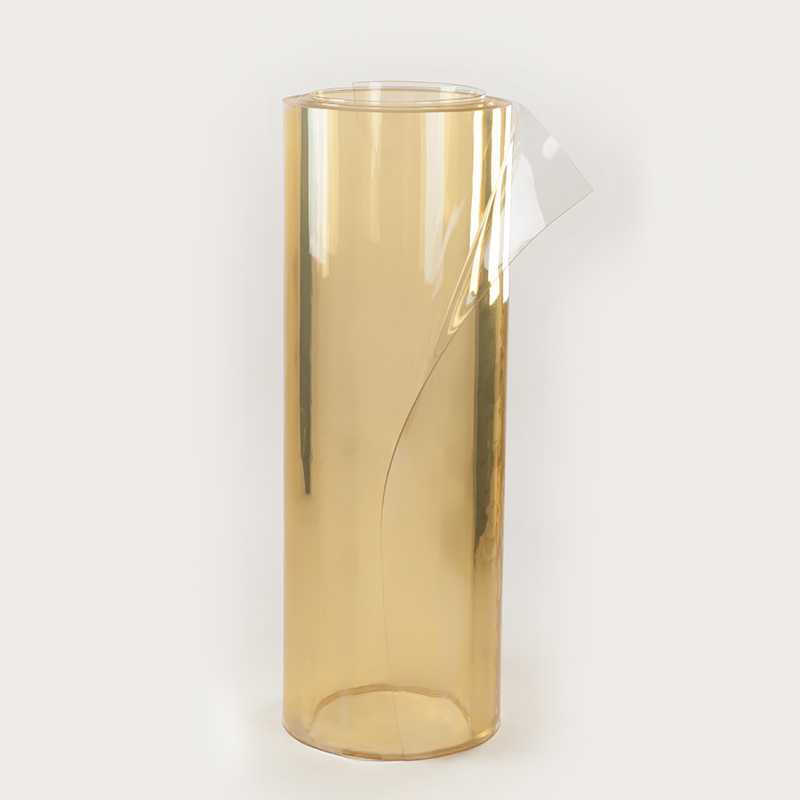
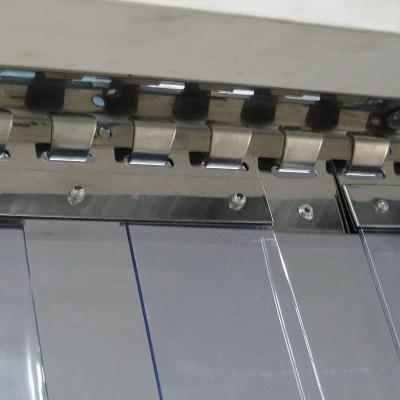
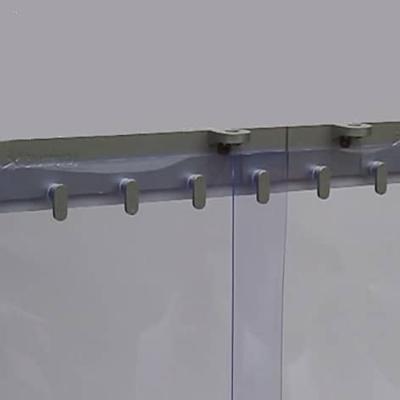
- Rolls, strips, curtains and panels
- Rounded edges and mat surface
Available in multiple lengths upon request
| Min | Max | |
| Width | 4 in | 86 in |
| Thickness | .040 in | .375 in |
A Premium Grade
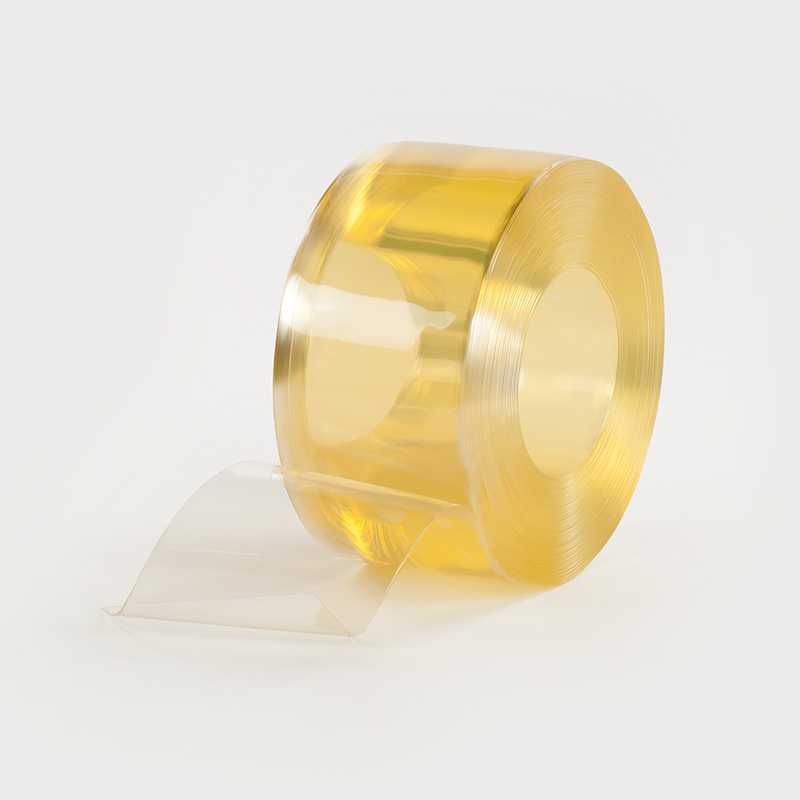
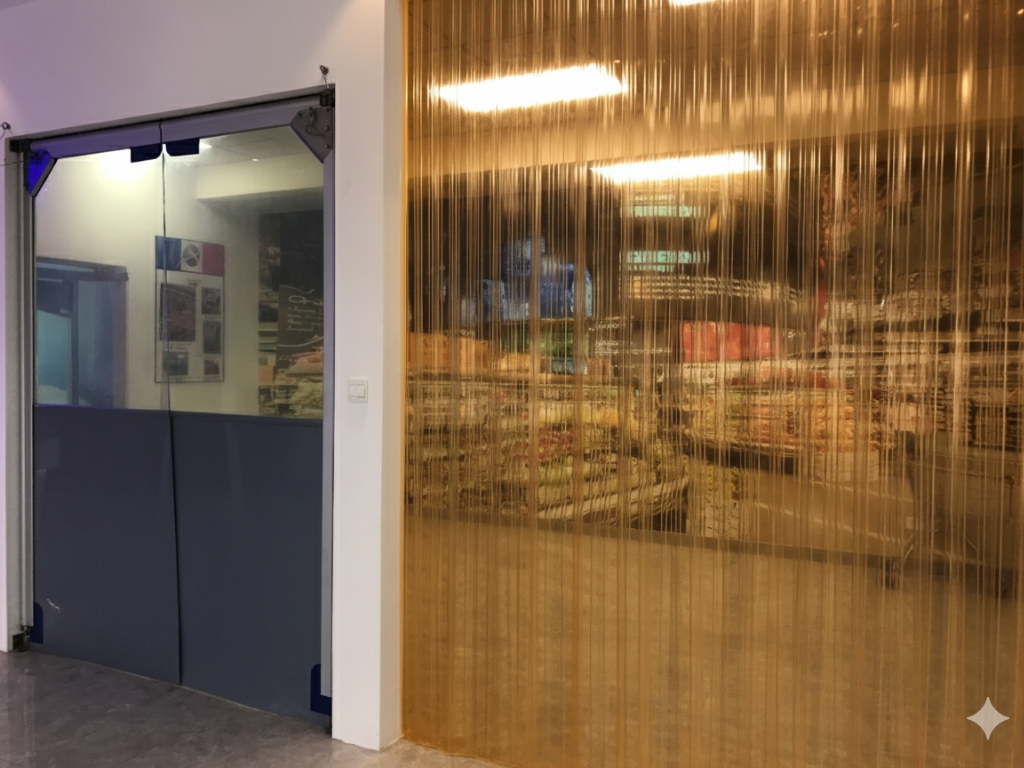
Honey Color PVC is referred to as PREMIUM “Flexible Glass”.
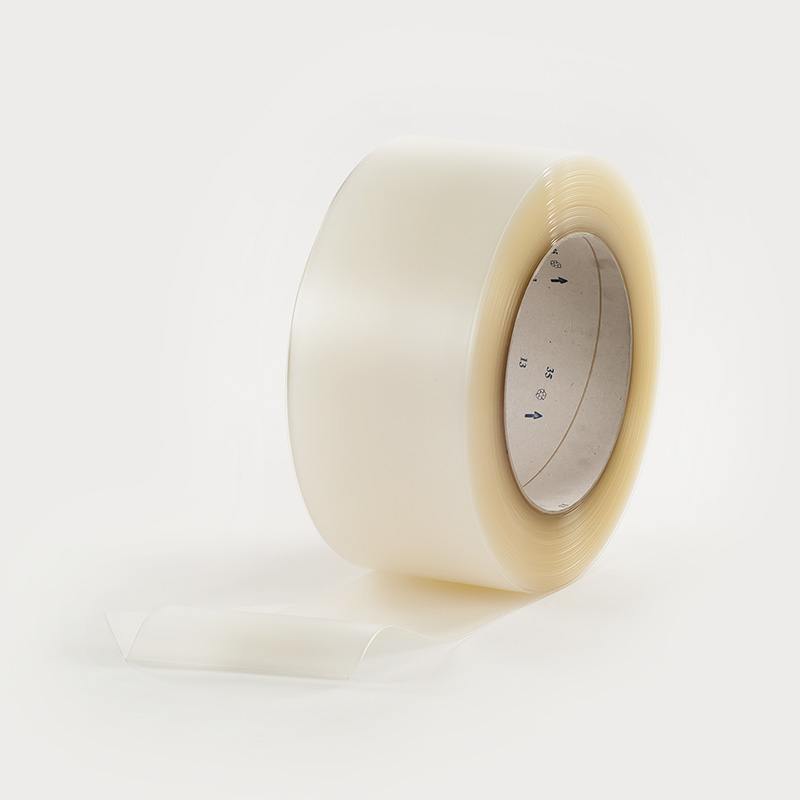
This product offers optimal clarity/transparency and is achieved by using selected virgin resin without pigment which provides this incredible clarity and an original neutral PVC color.
Honey Color PVC is mainly recommended for internal applications which require an enhanced aesthetic appearance.
Applications
Frequently asked questions about Standard Clear Neutral
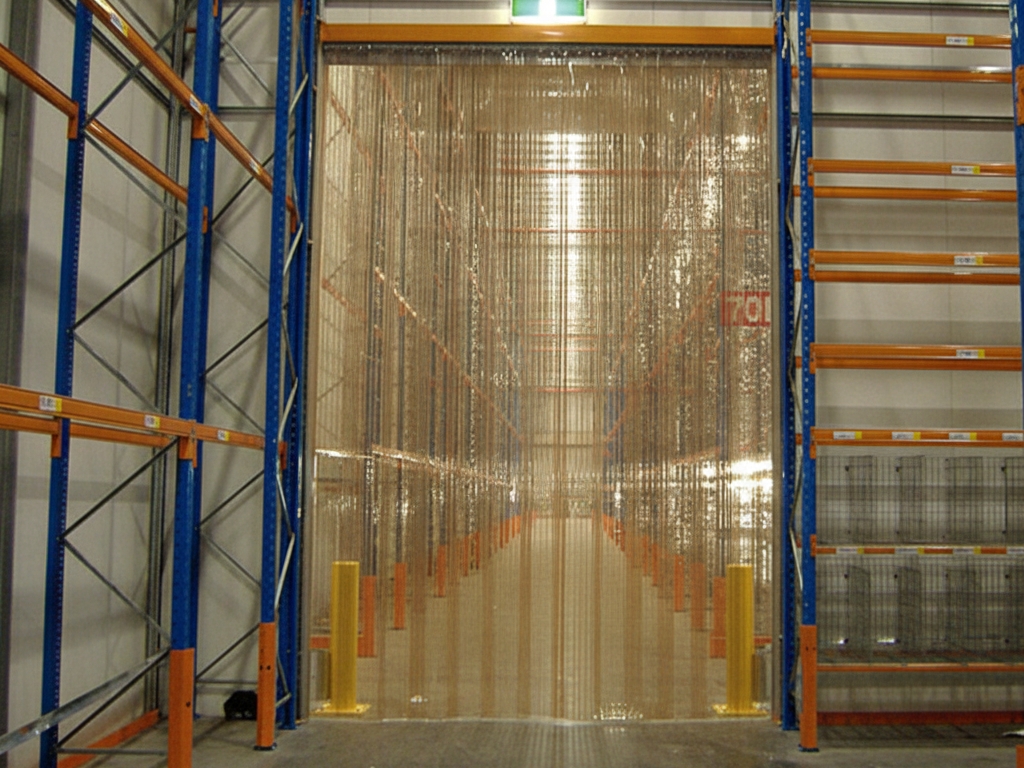
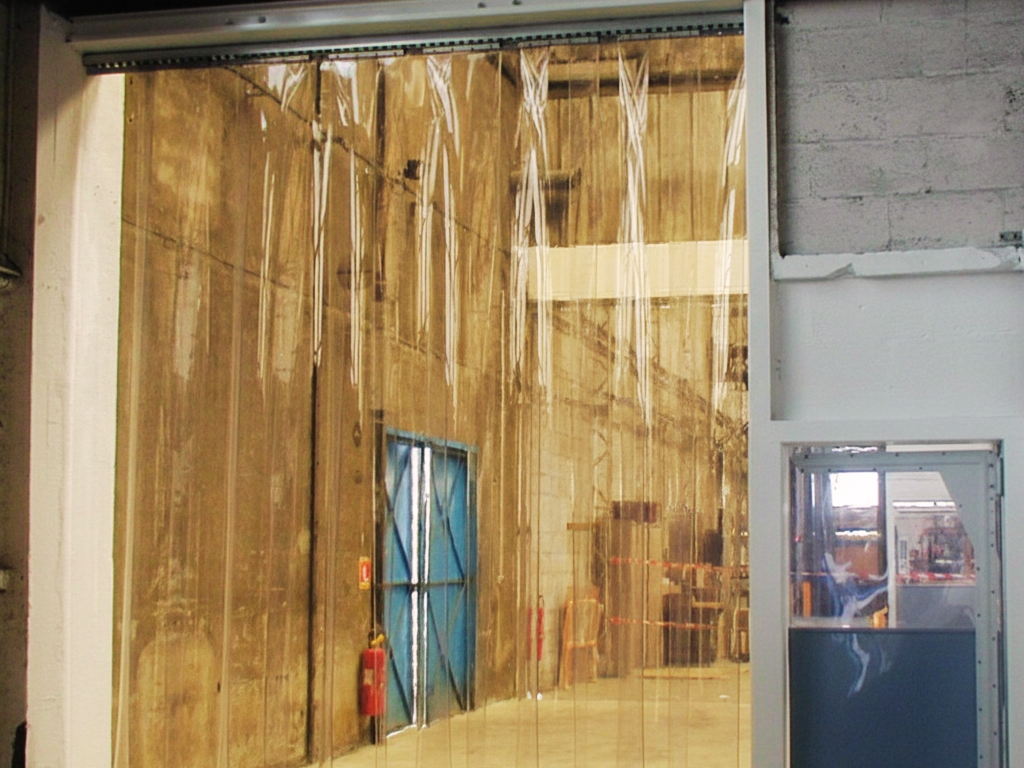
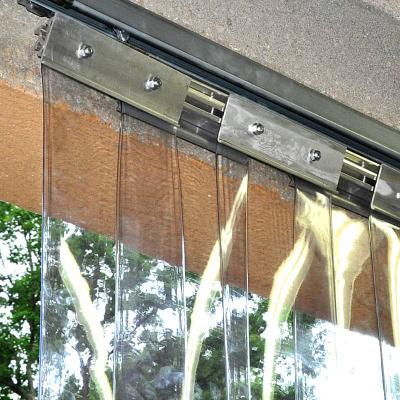
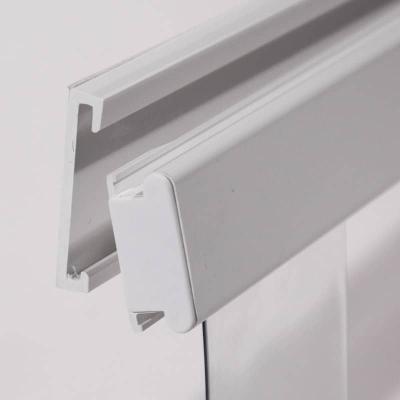
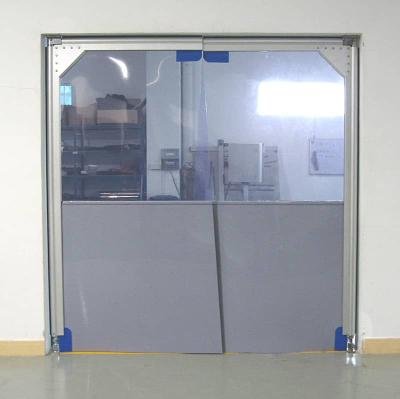
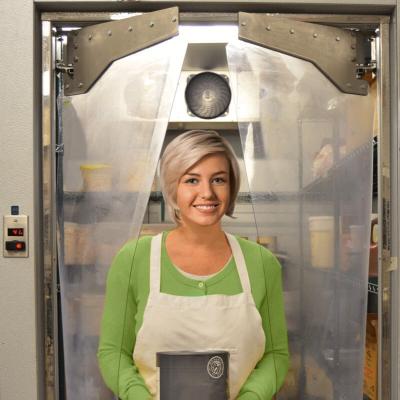
Standard Clear Neutral PVC is best for applications where a cleaner, more premium transparent appearance is important, such as interior strip curtains, swing doors, partitions, and flexible windows in commercial or industrial spaces.
Standard Clear Neutral is designed for maximum visual clarity and a more neutral appearance. It is a strong choice when the curtain or flexible window needs to look especially clean, bright, and professional in customer-facing or interior environments.
Yes. It can be used for strip curtains where visibility, separation, and a premium appearance are needed. It is especially suitable for interior openings where traffic flow and aesthetics both matter.
Yes. Standard Clear Neutral PVC can be used in swing doors, flexible panels, and window-style applications where transparency and a clean appearance are important.
Yes. Like clear flexible PVC in general, it can help reduce drafts, limit air exchange, and support thermal separation between areas while still allowing visibility and easy passage.
Yes. Its neutral, highly transparent appearance makes it a good option for retail, supermarket, hospitality, and interior commercial areas where the barrier should look clean and unobtrusive.
It can be supplied in common flexible PVC formats such as rolls, strips, curtains, and panels, with options such as rounded edges or matte surface depending on the application.
Technical datasheet
| Properties | Standard | Units | Standard | Description |
| Light transmittance | ASTM D 1003 | % | 85 | Visible light rate transmitted through the material. |
| Shore A hardness | EN ISO 868 | Sh A | 80 | Index based on a flat indenter's penetration depth. Scale from 0 (Soft) to 100 (Hard). |
| Tearing resistance | DIN 53515 | lbf/in | 285.4 | Minimum tensile stress required to tear a pre-slit sample. |
| Tensile strength at break | ASTM D 638 EN ISO 527 | lbf/in² | 2320.6 | Maximum tensile stress that a material can be subjected to before break. |
| Elongation at break | % | 340 | Elongation of the specimen at the break point under tensile stress. | |
| Residual elong. (after break) | % | 68 | Permanent elongation of the specimen measured after rupture in a tensile test. | |
| Thermal conductivity | ASTM C 177 | BTU/(hr·ft·°F) | 0.093 | Ability to conduct heat. The Lower it is, the more insulation. |
| Cold bend brittle temp. | ISO 8570 | °F | -31 | Temperature at which the specimen break under torsion stress. Brittle point (CLASH & BERG). |
| Min. usage temp. | EN 1876 | °F | 5 | Temperature range where material keep its mechanical properties (flexibility). |
| Max. usage temp. | °F | +122 | ||
| Vicat softening temp. | EN ISO 306 | °F | 122 | Temperature at which the specimen is penetrated to a depth of 0.039 in by a 2.2 lb flat indenter of 0.00155 in². |
| Specific heat capacity | ISO 11357 | BTU/(lb·°F) | 0.382 | Heat energy required to raise the temperature of one pound of the material by one degree Fahrenheit. |
| Sound reduction | DIN 52210 | dB | >35 | Average sound level (freq. 0.1 to 3.2 kHz) decreased by a 18.94 sq ft and 0.197 inches thick PVC curtain. |
| Reaction to fire | EN 13501-1 | Class | - | Standard classifications of material self-extinguishing and resistance to combustion. |
| UV/IR filter | ISO 25980 | - | - | Ability to filter welding rays allowing the use of this material as a welding protection screen. |
| UV resistance | ISO4892 | - | Yes | Ability to resist to UV (Sun, welding arc). |
| Surface resistivity | ASTM D257 | .1010 Ω/□ | 30 | Material surface electric resistivity measured with a 100 V direct voltage. |
| Water absorption | EN ISO 62 | % | -0.2 | Material mass variation after exposure to humid conditions. (<0 if released / >0 if absorbed) |
| Anti-insect | - | - | - | Special ability to keep insects away.(Food processing plants, tropical regions) |
| Density | ASTM D 792 | lb/ft³ | 76.16 | Mass per unit volume. |
This information given to our customer in good faith to inform him and to help him in his search, does not constitute any formal or implicit guarantees as to its use.
Free download
- FLEXIBLE VINYL - NON-PHTHALATE PLASTICIZER (EN).pdf
- FLEXIBLE VINYL - SOLUTION FOR BUILDING (EN).pdf
- FLEXIBLE VINYL - SOUND REDUCTION (EN).pdf
- FLEXIBLE VINYL - THICKNESS & THERMAL INSULATION (EN).pdf
- FLEXIBLE VINYL - THERMAL INSULATION (EN).pdf
- FLEXIBLE VINYL - STABILIZERS & DURABILITY (EN).pdf
- PLASTIC MATERIALS & EARTH’S ENERGY RESOURCES (EN).pdf
- PLASTIC MATERIALS & GLOBAL WARMING (EN).pdf
- PLASTIC MATERIALS & OIL RESSOURCES (EN).pdf