What are you looking for?


발리스티플렉스
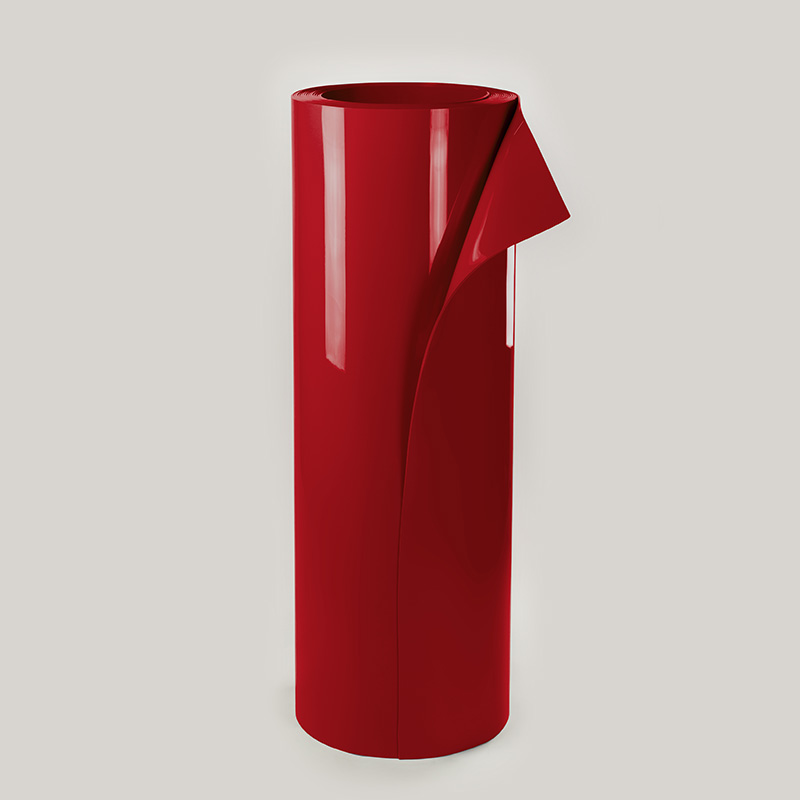
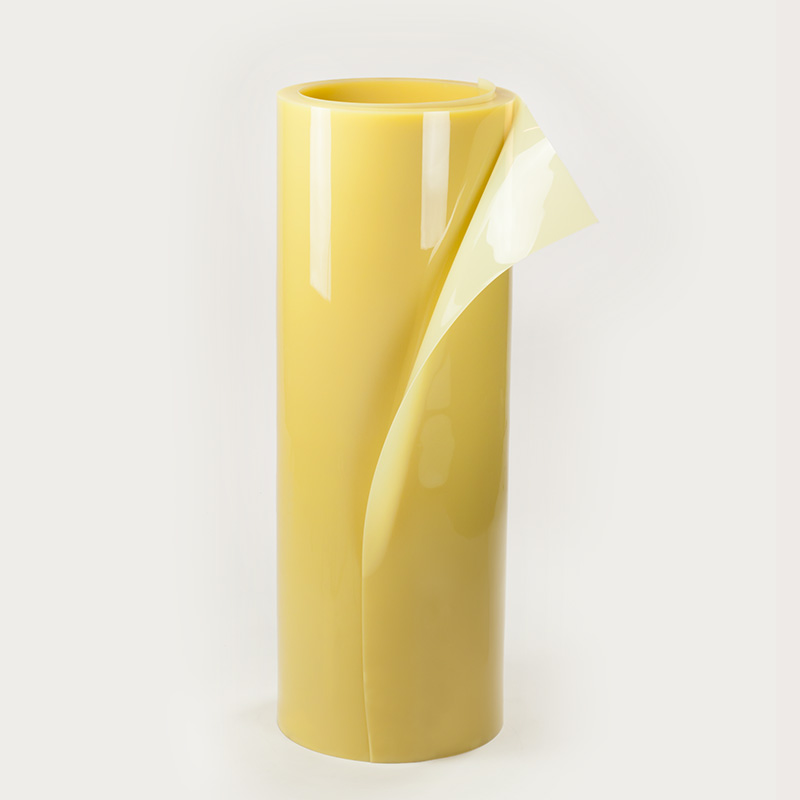
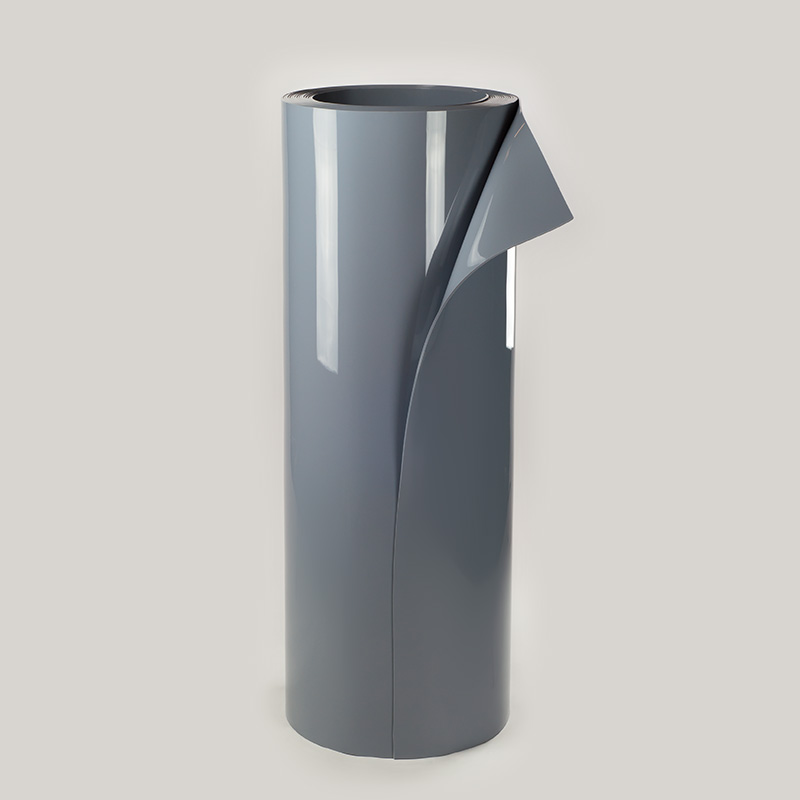
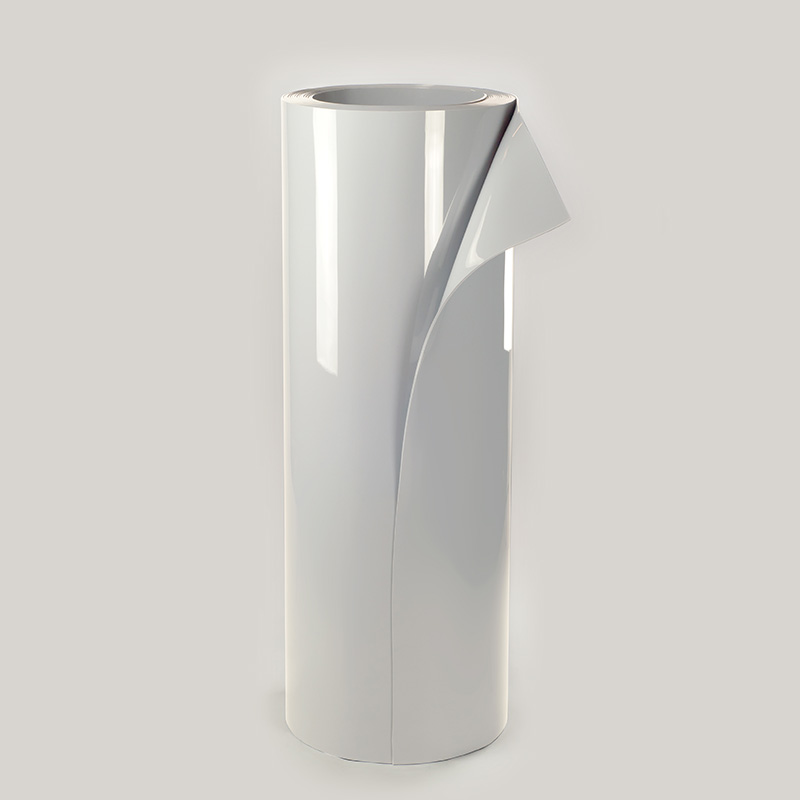
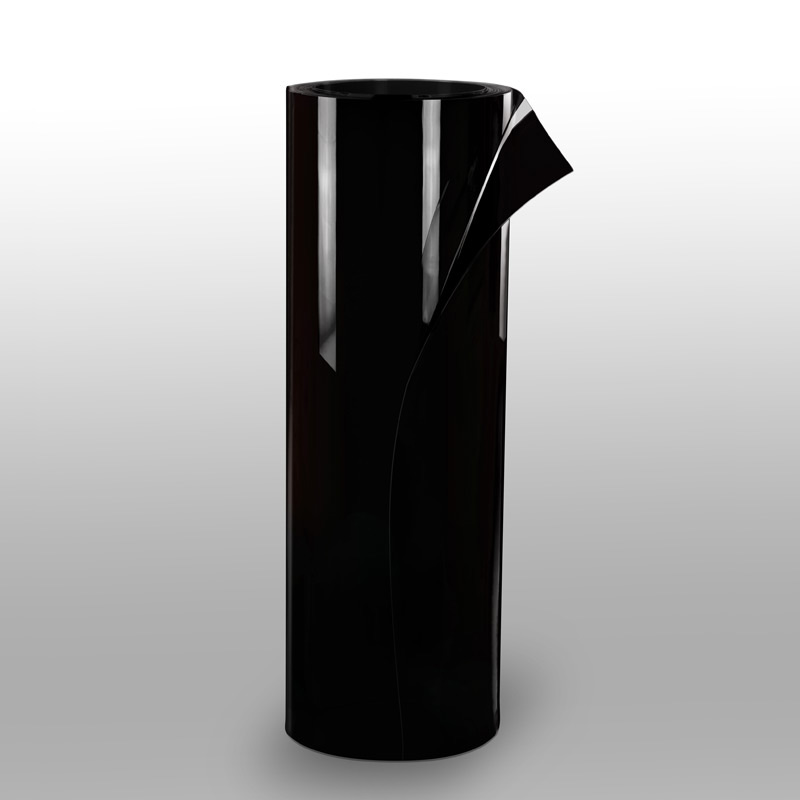

| 탄력적이고 내구성이 뛰어나며 다양한 충격에 강함 |

| 탄환의 충격음을 줄이다 |

| 납 분진 억제 및 향상된 흡입 |

| 사격대 안전 장비 |
형식
- 패널
- 빨간색과 검은색으로 제공됩니다.
- 기타 색상과 너비는 요청 시 제공됩니다.
| Min | Max | |
| Width | 700 mm | 700 mm |
| Thickness | 7 mm | 10 mm |
| Length | 20 m | 20 m |
발리스티플렉스에 관하여
Ballistiflex는 사격장에서 반동 방지 밴드로 사용하도록 설계된 유연한 자가 복구형 PVC 소재입니다. 탄환이 Ballistiflex에 관통하면 속도와 에너지가 현저히 감소합니다. 탄환이 발생시키는 열로 인해 구멍이 빠르게 닫히며, 이는 이 소재가 지닌 독보적인 자가 복구 능력을 입증합니다.
이 혁신적인 소재는 총탄의 에너지를 흡수하고 분산시킬 뿐만 아니라, 탄환이 후면 벽에서 튕겨 나가는 것을 방지합니다. 이 스트립은 탄환이 되돌아올 때 이를 가로막아 다시 관통하지 못하게 합니다. 이는 탄환이 스트립을 처음 통과할 때 대부분의 에너지를 소모하기 때문이며, 탄환이 발사 지점으로 되돌아오는 것을 막아 안전성을 높입니다.

발리스티플렉스는 탄환 충돌 시 발생하는 소음 수준을 낮추는 데 기여하며, 탄환 포획 장치 내 납 분진을 효과적으로 가두어 배출 효율을 높입니다.
앱
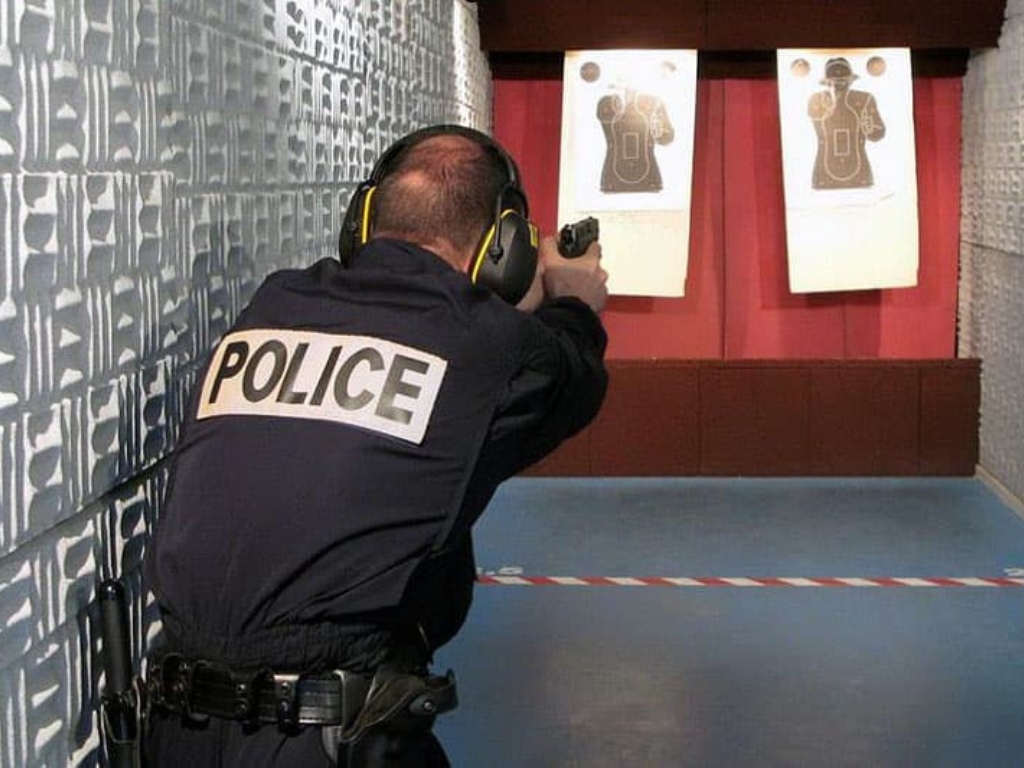
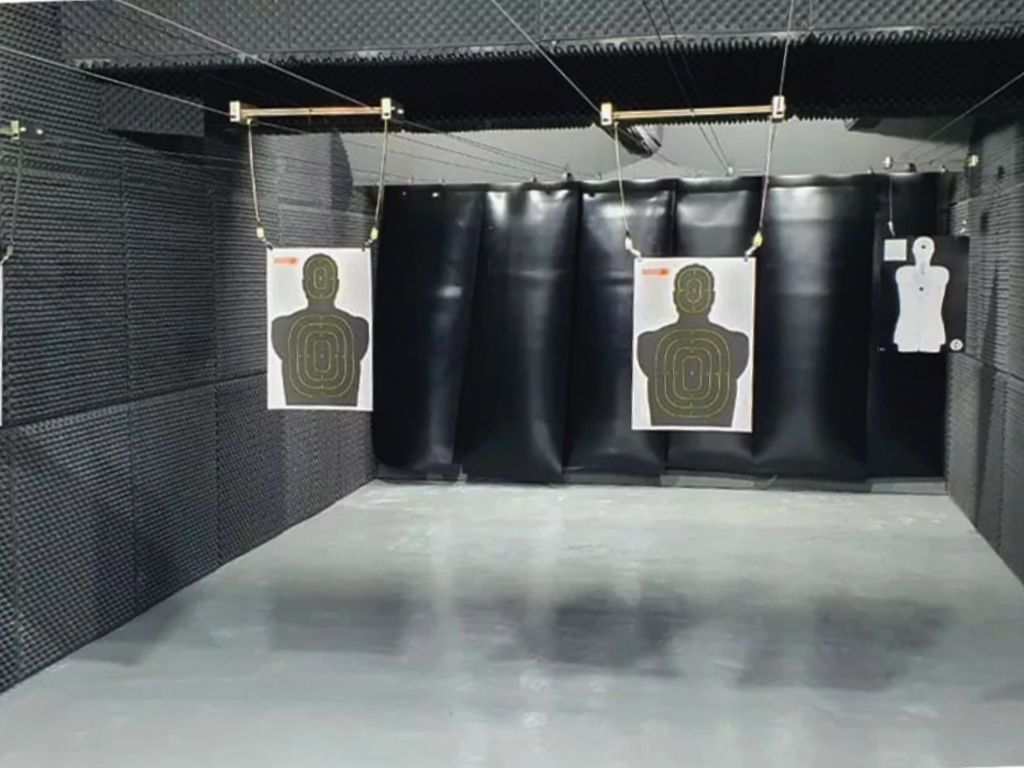
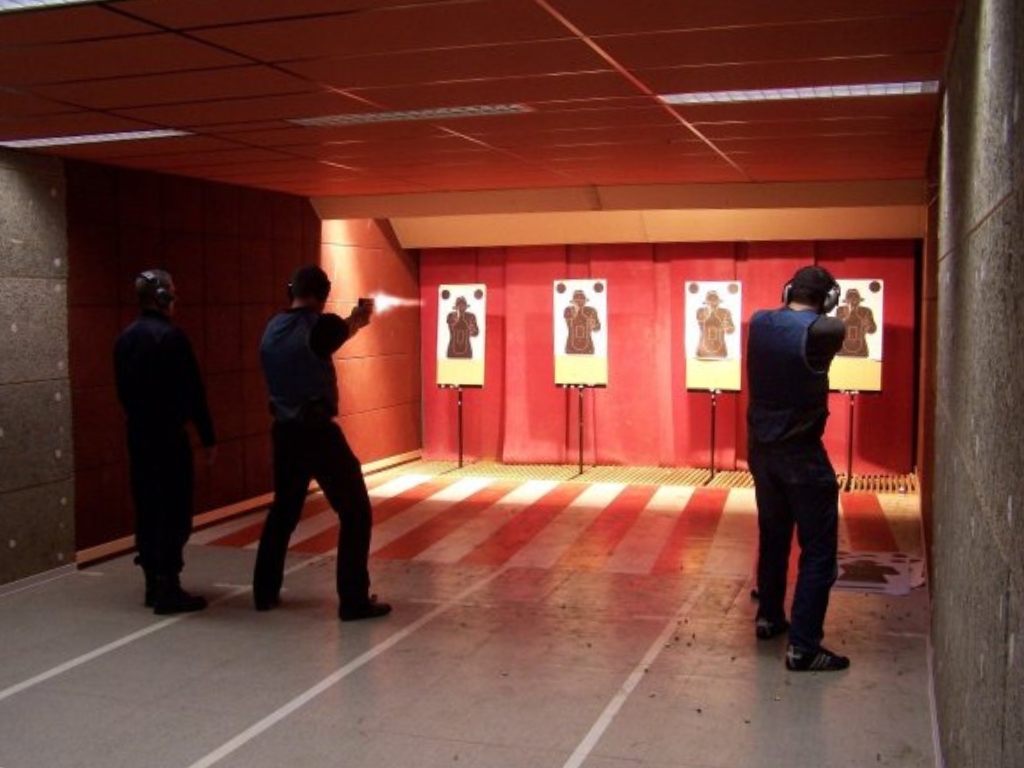
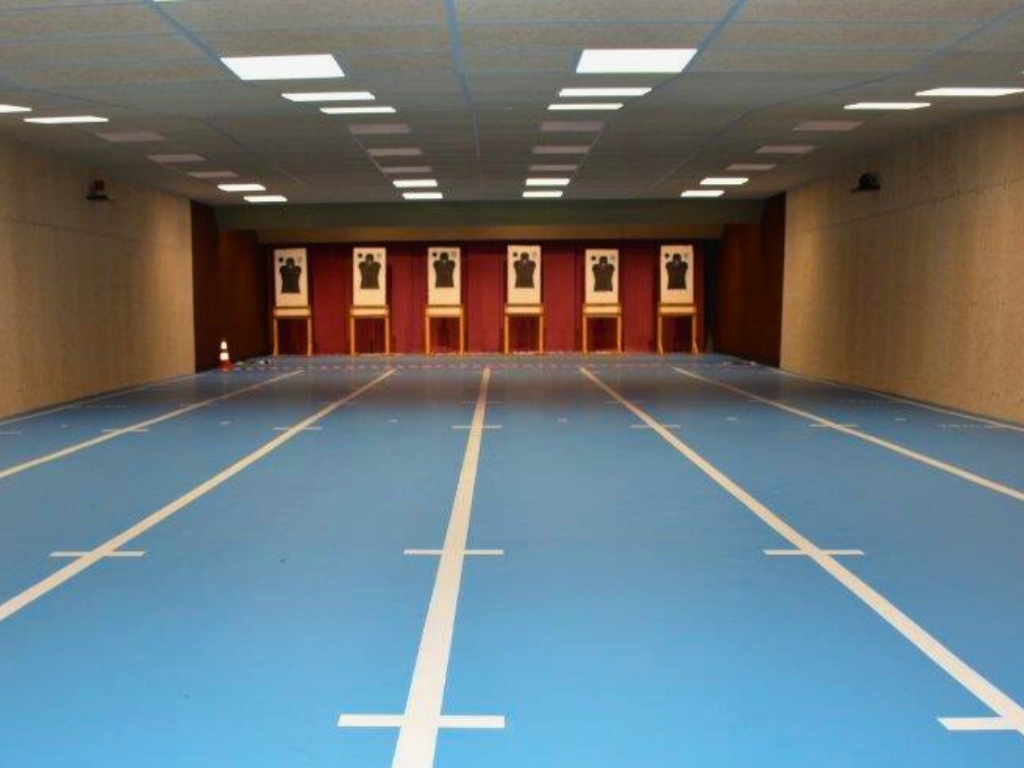
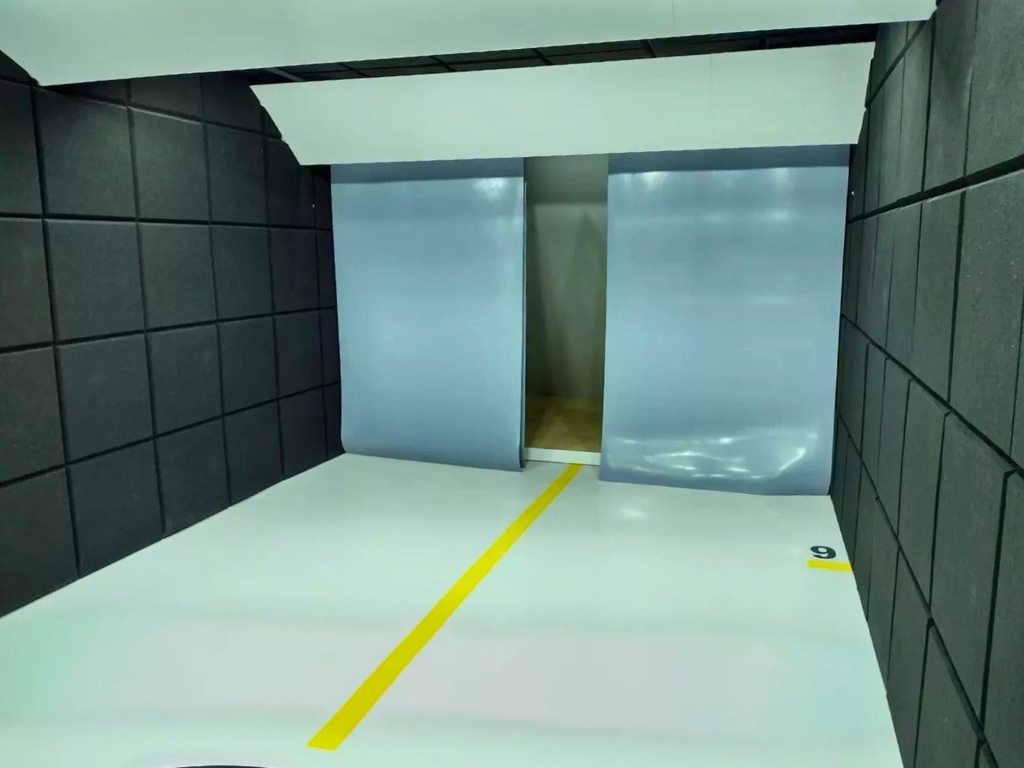
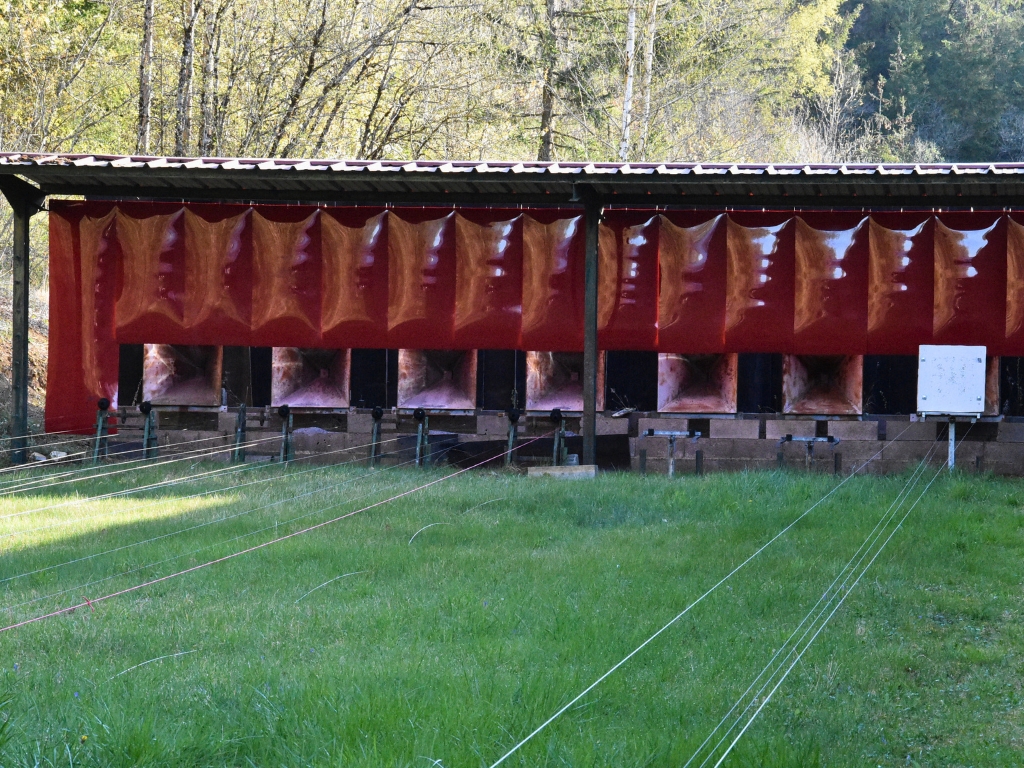
하드웨어
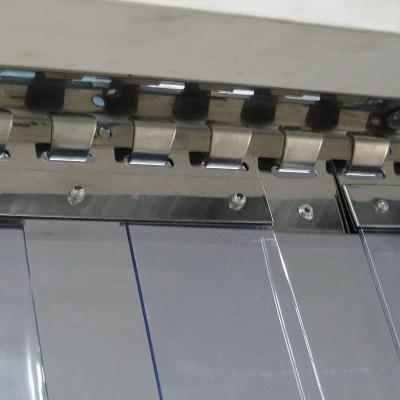
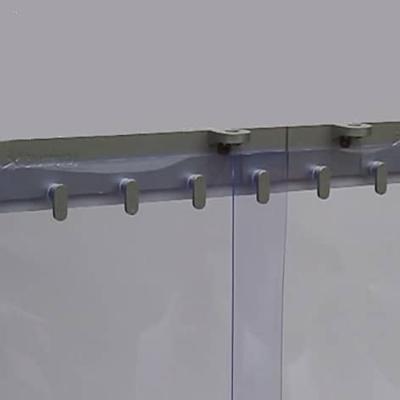
왜 발리스티플렉스를 선택해야 할까요?
사격장에서는 안전이 최우선 과제입니다. 사격자와 다른 인원을 위험한 탄환으로부터 보호하기 위해 규칙과 예방 조치를 엄격히 준수해야 합니다.
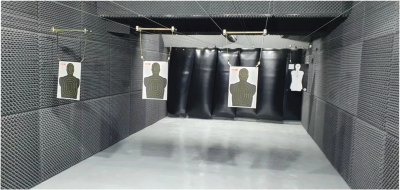
발리스티플렉스는 사격장에서 널리 사용되는 매우 효과적인 반발 방지 커튼으로, 총알이 뒷벽에서 반사되어 사격자를 향해 되돌아오는 것을 방지하는 역할을 합니다.
일반적인 용도:
- 경찰 훈련 시설
- 실내 사격장
- 총기 허가 기관
- 군사 훈련 시설
- 야외 사격장
리코첼 방지
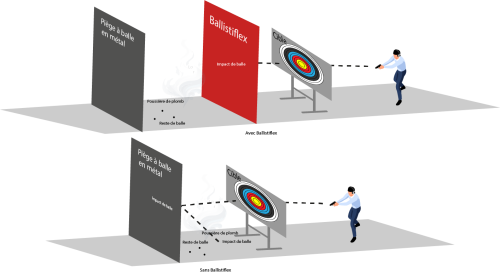
발리스티플렉스는 발사체가 사수에게 되돌아오는 것을 막는 장벽을 형성하여 안전을 보장합니다. 발사체의 에너지를 감소시켜 리코첼이나 반동을 방지합니다. 저에너지 리코첼조차도 PVC를 다시 통과할 수 없어 안전한 환경을 유지합니다.
파편 및 먼지 방지
발리스티플렉스는 부드러운 PVC를 사용하여 파편과 탄도 먼지를 최소화합니다. 이 PVC는 발사체의 에너지를 대부분 흡수하여 파편화를 방지합니다. 또한 PVC는 발사체 먼지를 포착하여 사격장을 깨끗하고 안전하게 유지합니다.
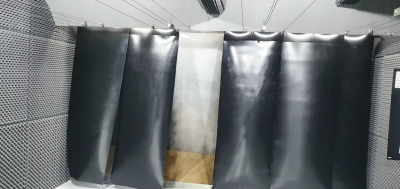
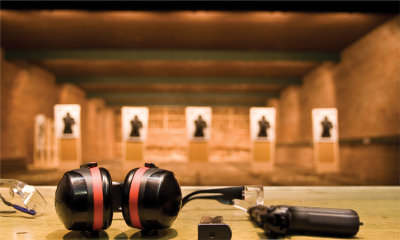
소음 공해 감소
발리스티플렉스는 발사체를 감속시키고 부드러운 PVC를 사용하여 충격음을 최소화함으로써 사격장의 소음 공해를 줄입니다. 또한 소음 억제 장벽 역할을 하여 에코를 차단하고 소음 전파를 35dB 감소시켜 사격자의 청각 안전을 강화하고 인근 지역의 방해를 최소화합니다.
발리스티플렉스 특성
발사체가 PVC를 관통할 때 발생하는 열로 인해, 반복적인 충격을 받은 후에도 소재가 밀봉되어 내구성이 보장되고 수명이 연장됩니다.

Technical Datasheet
| Properties | Standard | Unit | Value | Description |
| Shore A hardness | EN ISO 868 | Sh A | 76 | Index based on a flat indenter's penetration depth. Scale from 0 (Soft) to 100 (Hard). |
| Tearing resistance | DIN 53515 | N/mm | 32 | Minimum tensile stress required to tear a pre-slit sample. |
| Tensile strength at break | ASTM D 638 EN ISO 527 | N/mm² | 13 | Maximum tensile stress that a material can be subjected to before break. |
| Elongation at break | % | 370 | Elongation of the specimen at the break point under tensile stress. | |
| Residual elong. (after break) | % | 72 | Permanent elongation of the specimen measured after rupture in a tensile test. | |
| Thermal conductivity | ASTM C 177 | W/m.K | 0,16 | Ability to conduct heat. The Lower it is, the more insulation. |
| Vicat softening temp. | EN ISO 306 | °C | 48 | Temperature at which the specimen is penetrated to a depth of 1 mm by a 1 kg flat indenter of 1 sq. mm. |
| Specific heat capacity | ISO 11357 | kJ/kg.K | 1,6 | Heat energy required to increase the temperature of one kilogram of the material by one degree Celsius. |
| Sound reduction | DIN 52210 | dB | >35 | Average sound level (freq. 0,1 to 3,2 kHz) decreased by a 1,76 sq.m. and 5 mm thick PVC curtain. |
| Reaction to fire | EN 13501-1:2007 | - | - | Standard classifications of material self-extinguishing and resistance to combustion. |
| Light transmittance | ASTM D 1003 | % | 0 | Visible light rate transmitted through the material. |
| UV resistance | ISO4892 | - | Yes | Ability to resist to UV (Sun, welding arc). |
| Surface resistivity | ASTM D257 | .1010 Ω/□ | 3 | Material surface electric resistivity measured with a 100 V direct voltage. |
| Water absorption | EN ISO 62 | % | -0,2 | Material mass variation after exposure to humid conditions. (<0 if released / >0 if absorbed) |
| Density | ASTM D 792 | g/cm3 | 1,18 | Mass per unit volume. |
The data contained in this technical specification is given for information only and is based on our current knowledge of the products concerned.
This information given to our customer in good faith to inform him and to help him in his search, does not constitute any formal or implicit guarantees as to its use.